
Length of Engagement: There’s No Right or Wrong Timeline
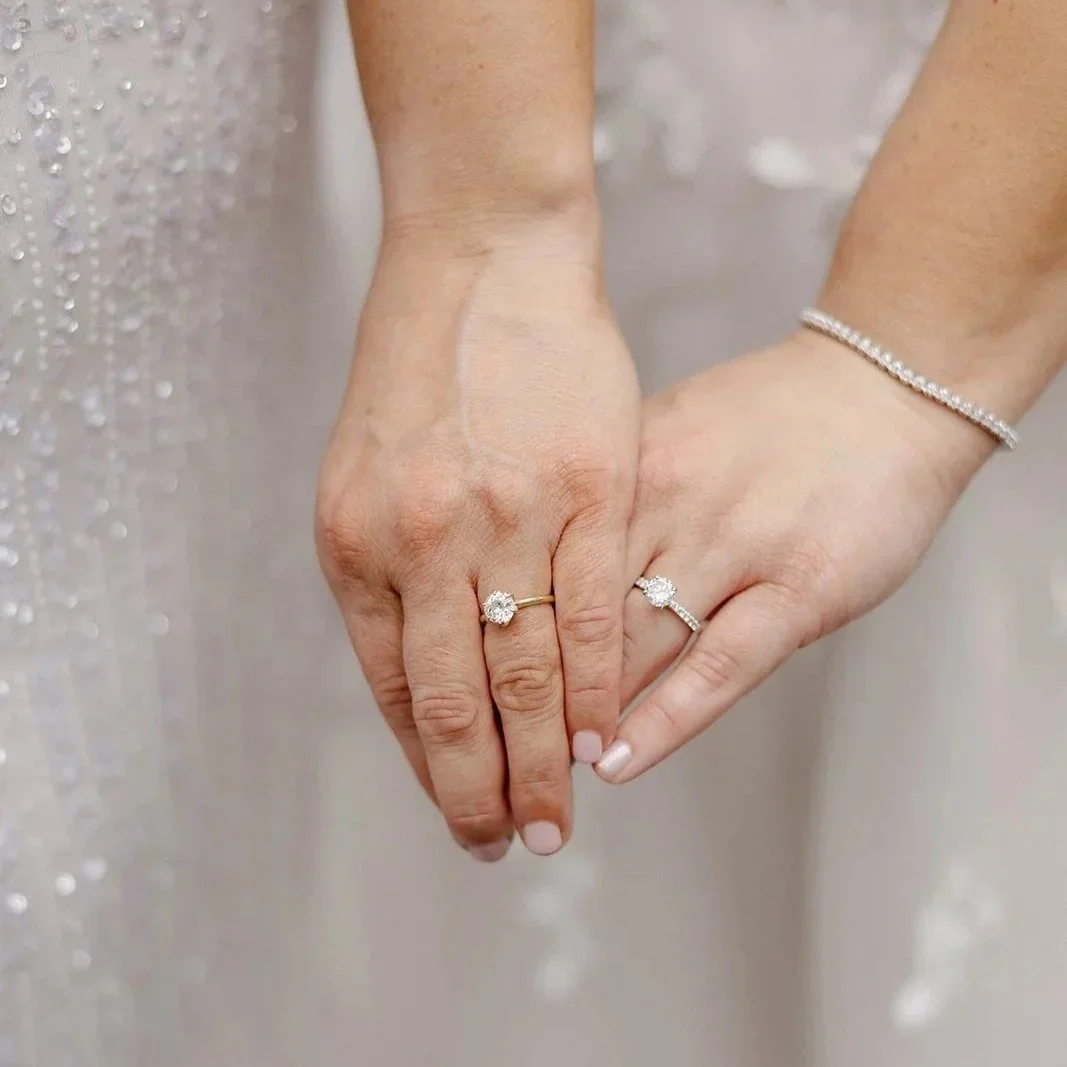
Photo Courtesy of Golden Hours Weddings
One of the most common questions I hear, sometimes out loud, sometimes beneath the surface is:
“Are we behind?”
Behind compared to who, exactly, is rarely clear. A friend who booked everything in six months. A sibling who planned for two years. A stranger on Instagram who seems to have it all figured out already.
The truth is simple, even if it’s not always easy to believe: there is no right or wrong length of engagement.
Why Engagement Timelines Vary So Widely
Every couple comes into wedding planning with a different set of circumstances, priorities, and pacing. Engagement length is often shaped by things like:
Career schedules and life logistics
Financial planning and comfort levels
Emotional readiness and capacity
Venue and vendor availability
Family considerations or travel needs
None of these factors say anything about how committed you are, how excited you feel, or how meaningful your wedding will be. They simply reflect real life.
A Short Engagement Isn’t Rushed — and a Long One Isn’t Delayed
There’s a tendency to assign meaning to timelines that isn’t actually there. A shorter engagement doesn’t mean you’re impulsive or cutting corners.
A longer engagement doesn’t mean you’re indecisive or dragging things out.
What matters far more than the length of time is how supported and intentional the process feels.
I’ve worked with couples who planned beautifully in under a year—and others who took their time over two years. In both cases, the weddings that felt the calmest weren’t defined by speed, but by clarity and support.
What Planning Looks Like at Different Stages
Wherever you are in your engagement, there’s a way to approach planning that feels steady instead of stressful.
Early engagement
You may still be figuring out what you want, where to start, or how much to take on at once. This is often when venue guidance or early planning support brings the most clarity.
Mid-engagement
Plans are underway, but questions are starting to surface. You may be realizing that having a strategic partner could help refine decisions and keep things moving calmly.
Longer engagements
Time can be a gift here, allowing for thoughtful choices, flexible pacing, and space to plan around real life. Structure and check-ins help ensure momentum stays gentle and consistent.
None of these stages are “better” than the others. They simply call for different kinds of support.
What I Tell My Couples
If there’s one thing I wish more couples heard early on, it’s this: you’re not behind.
Planning doesn’t need to be rushed to be beautiful. And it doesn’t need to be slow to be meaningful. What matters is having the right structure, the right guidance, and permission to move at a pace that works for you.
Calm planning is intentional planning, not fast planning.
Support Should Meet You Where You Are
Whether you’re newly engaged and unsure where to begin, or you’ve been engaged for a while and want to bring things together with more clarity, support isn’t about catching up—it’s about feeling grounded.
Services like the Wedding Architecture Section, Partial Wedding Planning, and Full Service Wedding Planning are designed to meet couples at different stages, offering guidance that fits where you are—not where you think you “should” be.
Your engagement doesn’t need to follow anyone else’s timeline. It just needs to feel right for you.
